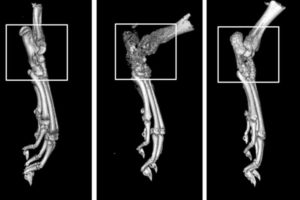
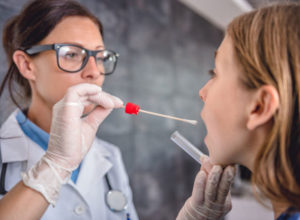
Gut makeup could make diarrhea less likely (Links to an external site)

Antibiotics are known to upset the balance of bacteria in the intestinal tract. In some cases, antibiotics can cause the bacterium Clostridium difficile (C. difficile) to overgrow wildly, causing diarrhea and, in severe cases, life-threatening intestinal inflammation. Researchers at Washington University School of Medicine in St. Louis have found the molecular signature of a healthy gut microbial […]

Immune-boosting compound makes immunotherapy effective against pancreatic cancer (Links to an external site)

Pancreatic cancer is especially challenging to treat – only eight percent of patients are still alive five years after diagnosis. Chemotherapy and radiation therapy are of limited benefit, and even immunotherapy – which revolutionized treatment for other kinds of cancer by activating the body’s immune system to attack cancer cells – has been largely ineffective because […]

Deadly tick-borne virus cured with experimental flu drug, in mice (Links to an external site)

Only a few cases of the newly discovered Bourbon virus have been reported, and two of them ended in death, partly because no specific treatments are available for the tick-borne illness. Now, researchers at Washington University School of Medicine in St. Louis have identified an experimental antiviral drug that cures mice infected with the potentially […]

Snapshot of chikungunya could lead to drugs, vaccines for viral arthritis

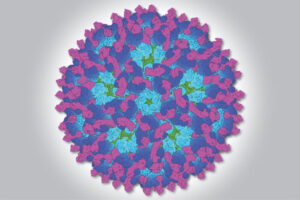
KATHERINE BASORE Researchers at Washington University School of Medicine in St. Louis have created a detailed 3-D structure of chikungunya virus (shown in blue and green) attached to a mouse protein (in magenta) that the virus uses to get inside cells and cause disease. The findings could accelerate efforts to find new ways to prevent […]

The warrior within (Links to an external site)

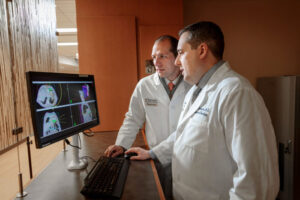
MATT MILLER Robert D. Schreiber, PhD, right, consults with doctoral student Samuel O. Ameh. Their work exploring the immune system’s role in controlling cancer is fueling development of a range of approaches to cancer immunotherapy. A few short decades ago, cancer treatment consisted mainly of three pillars: surgery, radiation and chemotherapy. Although each has earned […]

Obese mouse mothers trigger heart problems in offspring (Links to an external site)

A diet high in fats and sugars is known for its unhealthy effects on the heart. Scientists now have found that a high-fat, high-sugar diet in mouse mothers before and during pregnancy causes problems in the hearts of their offspring, and that such problems are passed down at least three generations, even if the younger […]

Topical immunotherapy keeps skin cancer risk at bay (Links to an external site)

A combination of two topical creams already shown to clear precancerous skin lesions from sun-damaged skin also lowers the risk that patients will later develop squamous cell carcinoma of the skin. The study, from Washington University School of Medicine in St. Louis, Massachusetts General Hospital, and Harvard Medical School, appears March 21 in JCI Insight. […]

$3.4 million aids effort to make a better flu vaccine (Links to an external site)

The influenza vaccine is only good for one flu season, partly because different strains of the virus circulate every year. But there’s another reason people must roll up their sleeves every fall for a flu shot: The protection generated by the vaccination is fleeting, with evidence indicating that its effectiveness wanes over the course of […]

Unnecessary testing for UTIs cut by nearly half (Links to an external site)

Tests to detect urinary tract infections (UTI) often are performed routinely in hospitals, even when patients don’t have symptoms. Such testing “just to be safe” can return results that lead doctors to prescribe antibiotics when there’s little to no evidence to warrant such treatment. Now, new research indicates that making a simple change to the […]

New hope for stem cell approach to treating diabetes (Links to an external site)
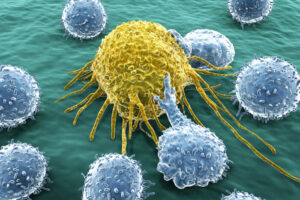
Scientists working to develop more effective treatments for diabetes are turning to stem cells. Such cells can be transformed into cells that produce insulin, the hormone that controls blood sugar. But there’s a major challenge: the amount of insulin produced by theses cells is difficult to control. Now, by tweaking the recipe for coaxing human […]

Medication for severe acne alters skin microbiome (Links to an external site)

Isotretinoin, a form of vitamin A, has been prescribed to treat acne for decades. It reduces oil production in the skin, which helps prevent acne from forming. But new research from Washington University School of Medicine in St. Louis has uncovered a previously unknown benefit of the medication. It shifts the skin microbiome of acne […]

Artificial intelligence and the future of medicine (Links to an external site)

Washington University researchers are working to develop artificial intelligence (AI) systems for health care, which have the potential to transform the diagnosis and treatment of diseases, helping to ensure that patients get the right treatment at the right time. In a new Viewpoint article published Dec. 10 in the Journal of the American Medical Association […]

Rates of chronic kidney disease, deaths outpace other diseases (Links to an external site)

Advances in treating cancer, heart disease and other major health conditions in recent decades have extended life spans for millions of people. However, chronic kidney disease is an outlier, with cases accelerating at a faster pace than all other noninfectious diseases, according to a study from Washington University School of Medicine in St. Louis and […]

Relapsed leukemia flies under immune system’s radar (Links to an external site)
Patients with acute myeloid leukemia (AML), an aggressive cancer of the blood, often are treated with stem cell transplantation, in which a compatible donor’s blood-forming cells are transplanted into a patient. The donor’s immune cells then attack and kill the leukemia cells. But even if this treatment initially is successful, many patients experience a recurrence […]

Viruses in blood lead to digestive problems (Links to an external site)

While studying viruses best known for infecting the brain, researchers at Washington University School of Medicine in St. Louis stumbled upon clues to a conundrum involving a completely different part of the anatomy: the bowel, and why some people possibly develop digestive problems seemingly out of the blue. The researchers found that viruses such as […]

Genetic testing helps predict disease recurrence in myelodysplastic syndrome (Links to an external site)
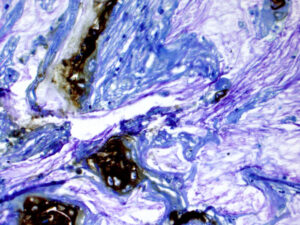
A DNA-based analysis of blood cells soon after a stem cell transplant can predict likelihood of disease recurrence in patients with myelodysplastic syndrome (MDS), a group of cancerous disorders characterized by dysfunctional blood cells, according to new research at Washington University School of Medicine in St. Louis. Such a practice could help doctors identify patients […]

New clues found to understanding relapse in breast cancer (Links to an external site)
A large genomic analysis has linked certain DNA mutations to a high risk of relapse in estrogen receptor positive breast cancer, while other mutations were associated with better outcomes, according to researchers from Washington University School of Medicine in St. Louis, the Baylor College of Medicine and the University of British Columbia. The knowledge could […]

Gene therapy method developed to target damaged kidney cells (Links to an external site)

Gene therapy has gained momentum in the past year, following the federal government’s approval of the first such treatments for inherited retinal diseases and hard-to-treat leukemia. Now, research led by Washington University School of Medicine in St. Louis has shown, in mice, that genetic material can be delivered to damaged cells in the kidneys, a key step […]

Chemotherapy-induced diarrhea traced to immune cells (Links to an external site)

Some 50 to 80 percent of cancer patients taking powerful chemotherapy drugs develop diarrhea, which can be severe and in some cases life-threatening. Their problems occur when contractions in the smooth muscle lining the gastrointestinal (GI) tract go haywire as food is digested. The same issues can occur in people with irritable bowel syndrome and […]

Brain cancer vaccine effective in some patients (Links to an external site)
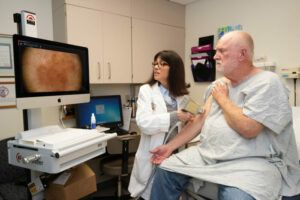
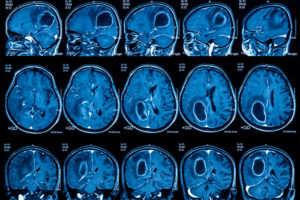
Most people with the deadly brain cancer glioblastoma die less than 18 months after diagnosis. But a multicenter clinical trial of a personalized vaccine that targets the aggressive cancer has indicated improved survival rates for such patients. The study appears May 29 in the Journal of Translational Medicine. The phase three clinical trial included 331 […]

Eczema drug effective against severe asthma (Links to an external site)

Two new studies of patients with difficult-to-control asthma show that the eczema drug dupilumab alleviates asthma symptoms and improves patients’ ability to breathe better than standard therapies. Dupilumab, an injectable anti-inflammatory drug, was approved in 2017 by the Food and Drug Administration as a treatment for eczema, a chronic skin disease.

Blood type affects severity of diarrhea caused by E. coli (Links to an external site)

A new study shows that a kind of E. coli most associated with “travelers’ diarrhea” and children in underdeveloped areas of the world causes more severe disease in people with blood type A. The bacteria release a protein that latches onto intestinal cells in people with blood type A, but not blood type O or B, according […]

The Belly Fat Battle (Links to an external site)
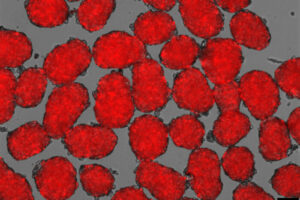
Visceral fat differs from subcutaneous fat in that it releases fatty acids and inflammatory substances directly into the liver rather than into the general circulation. Some experts believe this may play a direct role in causing the diseases linked to abdominal obesity. But not everyone agrees. Samuel Klein, who heads the Center for Human Nutrition […]

How a light touch can spur severe itching (Links to an external site)
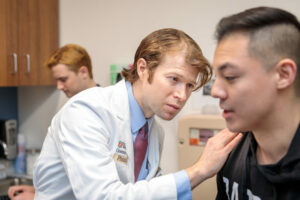
For some people, particularly those who are elderly, even a light touch of the skin or contact with clothing can lead to unbearable itching. What’s worse, anti-itch treatments, including hydrocortisone, don’t provide much relief for this type of itching. Now, researchers at Washington University School of Medicine in St Louis have discovered, in mice, why […]

Experimental arthritis drug prevents stem cell transplant complication (Links to an external site)

An investigational drug in clinical trials for rheumatoid arthritis prevents a common, life-threatening side effect of stem cell transplants, new research from Washington University School of Medicine in St. Louis shows. Studying mice, the researchers found the drug prevented what’s known as graft-versus-host disease, a debilitating, sometimes lethal condition that develops when transplanted stem cells […]

Major milestone reached in effort to ID cancers’ genetic roots (Links to an external site)

Researchers nationwide have reached a major milestone in describing the genetic landscape of cancer. Scientists at Washington University School of Medicine in St. Louis and other institutions have completed the genetic sequencing and analyses of more than 11,000 tumors from patients, spanning 33 types of cancer — all part of The Cancer Genome Atlas (TCGA) […]

Drug compound shows promise against rheumatoid arthritis (Links to an external site)
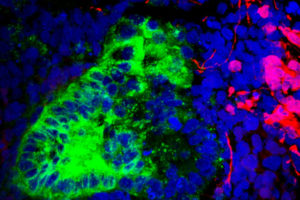
Scientists have designed a new drug compound that dials down inflammation, suggesting possible future uses against autoimmune disorders such as rheumatoid arthritis. The new inhibitor is more selective than other compounds designed to target the same inflammatory pathway, according to new research from Washington University School of Medicine in St. Louis. Such precision, along with […]

Antibiotic use increases risk of severe viral disease in mice (Links to an external site)
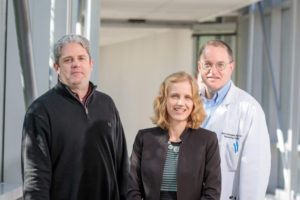
People infected with West Nile virus can show a wide range of disease. Some develop life-threatening brain infections. Others show no signs of infection at all. One reason for the different outcomes may lie in the community of microbes that populate their intestinal tracts. A study from Washington University School of Medicine in St. Louis […]

Infectious diseases docs may be lifesaving for patients with antibiotic-resistant infections (Links to an external site)

For patients with difficult-to-treat, drug-resistant infections, seeing an infectious diseases specialist can be a lifesaver. Such patients experienced significantly lower mortality rates when treated by physicians specializing in infectious diseases, according to a study at Washington University School of Medicine in St. Louis. Researchers found that infectious disease physicians helped reduce 30-day mortality rates by […]

Infectious Diseases Consultation Reduces 30-Day and 1-Year All-Cause Mortality for Multidrug-Resistant Organism Infections (Links to an external site)
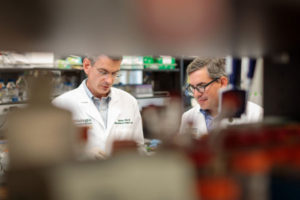
Abstract Background Multidrug-resistant organism (MDRO) infections are associated with high mortality and readmission rates. Infectious diseases (ID) consultation improves clinical outcomes for drug-resistant Staphylococcus aureus bloodstream infections. Our goal was to determine the association between ID consultation and mortality following various MDRO infections. Methods This study was conducted with a retrospective cohort (January 1, 2006–October 1, 2015) […]

No progress seen in reducing antibiotics among outpatients (Links to an external site)
Despite public health campaigns aimed at reducing unnecessary prescriptions for antibiotics, the drugs continue to be prescribed at startlingly high rates in outpatient settings such as clinics and physician offices, according to a new study at Washington University School of Medicine in St. Louis. The researchers analyzed de-identified data from Express Scripts Holding Co., which […]

Gut microbes influence severity of intestinal parasitic infections (Links to an external site)
A new study indicates that the kinds of microbes living in the gut influence the severity and recurrence of parasitic worm infections in developing countries. The findings, by researchers at Washington University School of Medicine in St. Louis, suggest that manipulating the gut’s microbial communities may protect against intestinal parasites, which affect more than 1 […]

CRISPR enhances cancer immunotherapy (Links to an external site)
Last year, the Food and Drug Administration approved the first cellular immunotherapies to treat cancer. These therapies involve collecting a patient’s own immune cells — called T cells — and supercharging them to home in on and attack specific blood cancers, such as hard-to-treat acute lymphoblastic leukemia and non-Hodgkin lymphoma. But so far, these T […]

$5 million aids development of artificial red blood cells (Links to an external site)

Trauma is the leading cause of death for Americans under the age of 46. In the U.S., there are about 30,000 preventable deaths each year in patients with severe bleeding from trauma. In an effort to stem the number of fatalities, a research team led by Allan Doctor, MD, a professor of pediatrics at Washington University […]

NCI director talks immunotherapy, cancer research on Med Campus (Links to an external site)
Norman E. “Ned” Sharpless, MD, the newly appointed director of the National Cancer Institute, visited the Medical Campus this week to talk about the institute’s research enterprise and hear from faculty, students and staff as part of a listening and learning tour. “I’ve learned a lot about immunotherapy (on the Medical Campus) and had the […]

Cancer weapon (Links to an external site)

While Zika virus causes devastating damage to the brains of developing fetuses, it one day may be an effective treatment for glioblastoma, a deadly form of brain cancer. New research from Washington University School of Medicine and the University of California San Diego School of Medicine shows that the virus kills brain cancer stem cells, […]