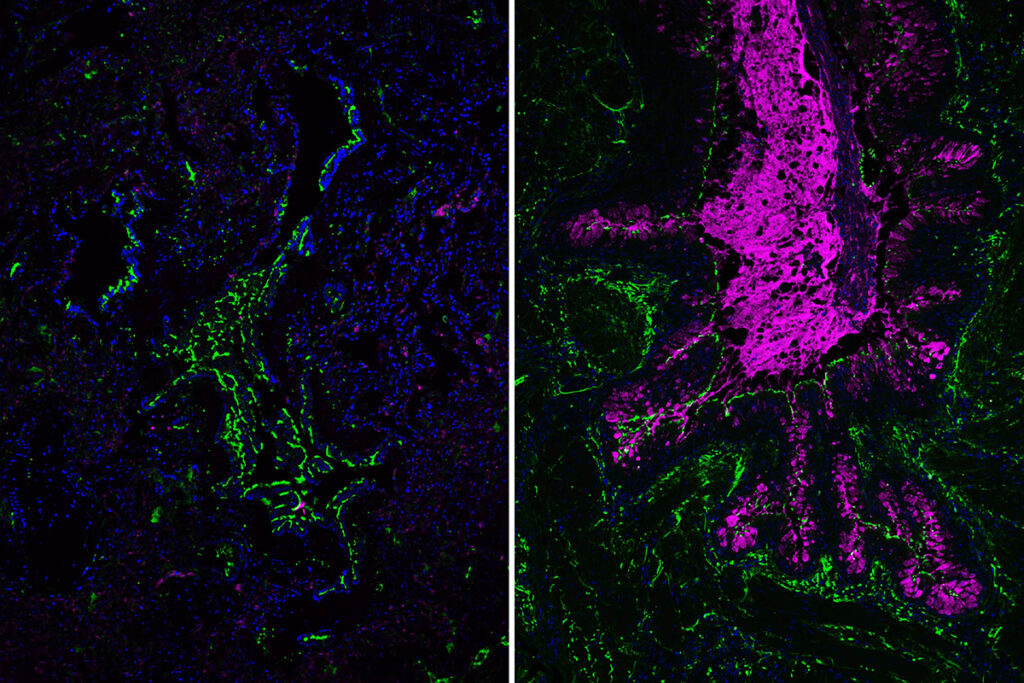
Researchers at Washington University School of Medicine in St. Louis have uncovered why some patients with a rare genetic disorder called primary ciliary dyskinesia have worse lung problems than others with the same disorder. The discovery, published in Science Translational Medicine, suggests that gene therapy to restore a missing protein complex could help treat the disease. Patients with the disorder who are treated at WashU Medicine participated in this research.
Genetic analysis explains rare disease severity, points to possible treatment
View Content