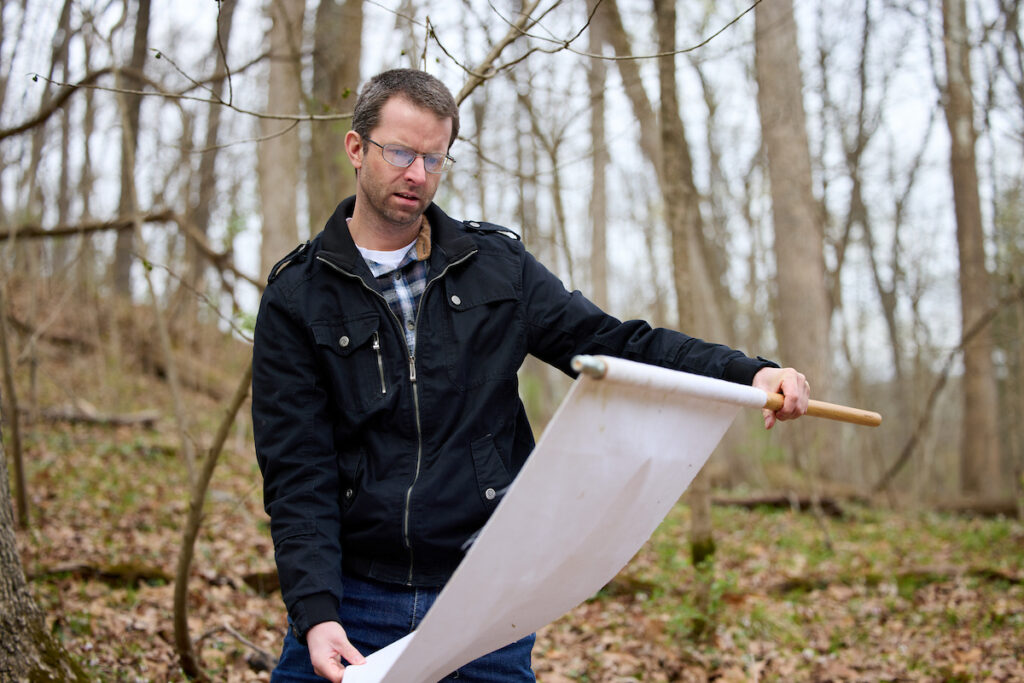
At WashU Medicine, virologist Jacco Boon, PhD, Division of Infectious Diseases, is turning his attention to a growing but often overlooked public health concern: tick-borne viruses in Missouri and across the Midwest.
Boon’s path to studying some of the world’s smallest—and most complex—infectious agents began long before his work in Missouri. Originally from the Netherlands, he developed an early fascination with how viruses behave and evolve, drawn to the idea that microscopic organisms could have such an outsized impact on human health.
That curiosity deepened during his scientific training and early career in the United States, where he focused on respiratory viruses and the fundamental biology of how pathogens infect and spread. Over time, his work expanded beyond traditional viral threats to include emerging infectious diseases—particularly those that challenge long-standing assumptions in the field.
“Viruses don’t always follow the rules we expect,” Boon said. “The ones that intrigue me most are the ones that surprise us.”
From global curiosity to Midwest impact
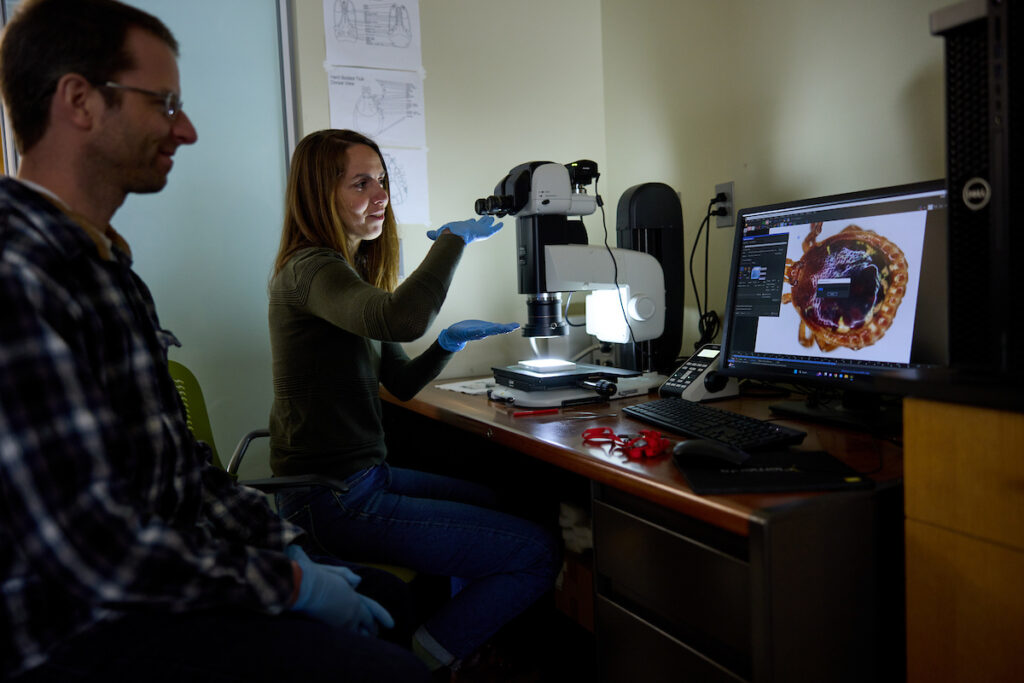
That mindset ultimately led Boon to WashU Medicine where he established a lab dedicated to studying emerging viruses with pandemic potential. While respiratory viruses remain a core focus, Missouri’s unique ecology opened the door to a new line of inquiry: tick-borne diseases.
“What stood out to me here is that there are important viruses circulating in our own backyard that many people have never heard of,” he said.
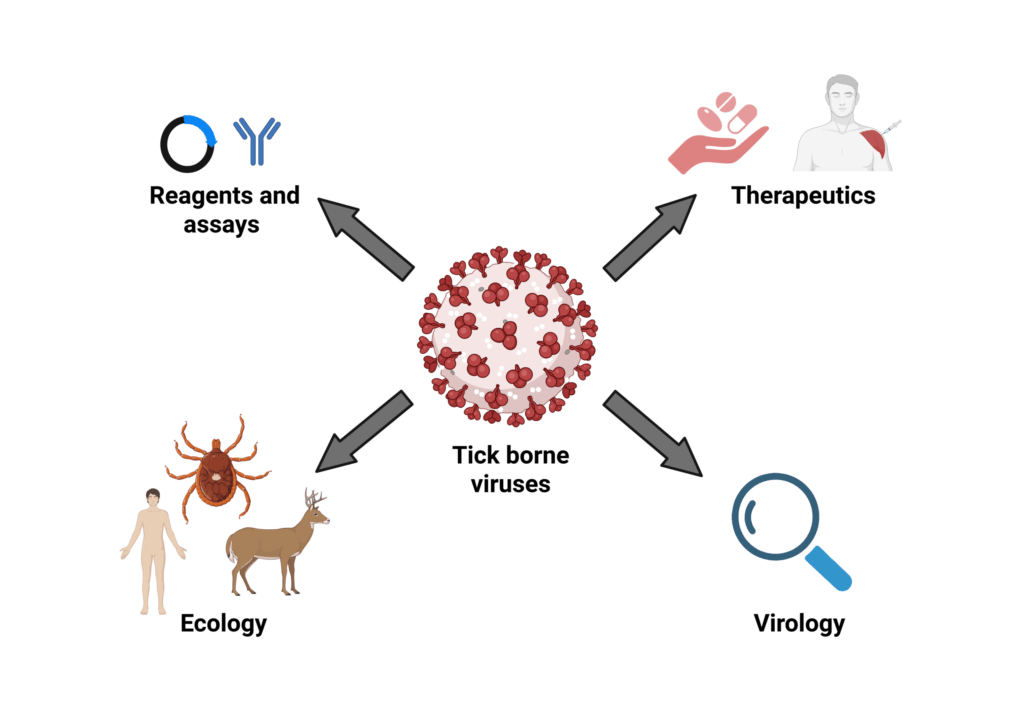
In the Midwest, ticks can carry viruses linked to serious illnesses, including those associated with Bourbon and Heartland infections. Unlike more widely recognized tick-borne conditions such as Lyme disease, these viruses can be transmitted quickly after a bite—sometimes before a person even realizes a tick was present.
“Humans are accidental hosts,” Boon explained. “Ticks are feeding on wildlife like deer, but when they encounter us, transmission can happen very quickly.”
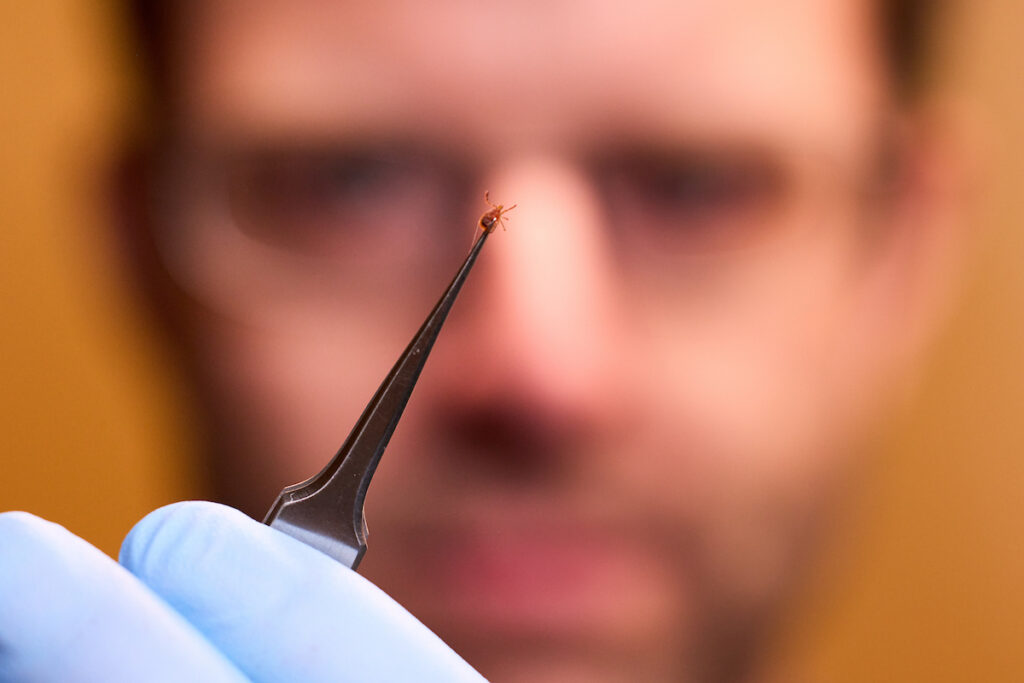
Adding to the concern is the arrival of invasive tick species in the United States, including one capable of reproducing without a mate. This ability allows populations to expand rapidly and spread into new regions, increasing the likelihood of human exposure to unfamiliar pathogens.
For Boon, these dynamics represent exactly the kind of scientific puzzle that first drew him to virology.
“Ticks and the viruses they carry are enigmas of nature,” he said. “They challenge what we think we know about infectious disease, and that’s exactly why we need to study them.”
From discovery to prevention
Boon’s lab is not only identifying and studying these emerging viruses but also working toward solutions. A key focus of the research is vaccine development—an effort aimed at protecting against both respiratory viruses and tick-borne diseases.
“Our work is highly translational,” Boon said. “We’re trying to take what we learn in the lab and move it toward real-world applications.”
This work is conducted in specialized high-containment laboratories, where Boon’s team safely studies dangerous pathogens. The lab includes a multidisciplinary group of students, postdoctoral researchers and staff, all trained to operate in these complex environments.
“They’re an incredible team,” Boon said. “Their expertise allows us to do this work safely and efficiently. Without them, none of this would be possible.”
Building awareness and collaboration

Beyond the lab, Boon emphasizes the importance of public awareness and community engagement. As tick encounters become more common, he sees a growing need for accessible information and regional expertise.
“There’s a real opportunity to become a resource for the Midwest,” he said. “As more people are exposed, they’re going to have questions—about risks, symptoms, and what to do next.”
Boon also credits curiosity—especially from those outside traditional scientific backgrounds—as a driver of innovation.
“Some of the best questions come from people who don’t work in science,” he said. “They make you think differently, and that’s often where new ideas begin.”
Looking ahead
As environmental changes, animal migration and global travel continue to reshape the landscape of infectious disease, Boon’s research underscores the importance of staying ahead of emerging threats.
By combining fundamental virology with applied research, his team is helping to position WashU Medicine as a leader in the fight against tick-borne diseases—work that could have far-reaching implications for public health in Missouri and beyond.