Test 2
Born in St. Louis in 1936, Stuart grew up with a deep curiosity about science and the world around him. He earned his medical degree in 1962 and went on to build an extraordinary career at WashU Medicine, where he served in leadership roles including co-director of the Hematology-Oncology division and head of physician-scientist training programs.
Dr. Kornfeld was a pioneer in glycobiology, the study of sugars and how they modify proteins and cellular processes. His research uncovered fundamental mechanisms of glycoprotein biosynthesis and trafficking, especially how lysosomal enzymes are tagged and transported within cells. These discoveries not only advanced basic science but also elucidated the causes of human genetic disorders involving glycosylation defects.
Among his most lasting scientific contributions was the identification of key pathways controlling mannose-6-phosphate tagging, the mechanism by which cells direct enzymes to lysosomes. His work laid the foundation for modern understanding of cellular protein sorting and has influenced countless researchers in cell biology, genetics, and medicine.
Throughout a career spanning more than five decades, Dr. Kornfeld received numerous honors and was elected to prestigious organizations, including the National Academy of Sciences and the American Academy of Arts and Sciences. He held continuous NIH funding and trained generations of scientists who carried forward his passion for rigorous inquiry and mentorship.
Beyond his scientific achievements, Stuart was beloved as a mentor, colleague, and friend. His gentle nature, sharp intellect, and unwavering integrity inspired everyone around him. He balanced a rich personal life with professional excellence, sharing many years with his late wife Rosalind and devotion to his family, including children and grandchildren who survive him.
Dr. Kornfeld’s legacy will endure not only in the many fields his work reshaped, but in the lives of those he guided. A true exemplar of the physician-scientist and a source of inspiration to the biomedical community worldwide.
Adapted from the JCI obituary published January 2, 2026.
| 2:00 – 2:10 p.m. | Welcome and Opening Remarks |
| 2:10 – 2:55 p.m. | Tributes and Remembrances from the Dean, DOM Chair, and Trainees |
| 2:55 – 3:00 p.m. | Closing Remarks and Thanks |
| 3:00 – 4:00 p.m. | Reception (FLTC Hearth, 2nd floor) |
Please contact Emily Cheney (jemily@wustl.edu) if you have any questions regarding this event.
Break Out Proposals
The Academy of Educators is seeking proposals for interactive sessions for Education Day 2026.
Proposals aligning with the theme are welcome, and interprofessional collaboration is encouraged.
The deadline to submit your session proposal is Wednesday, March 11, 2026.
Abstract Submission
The Academy of Educators are looking for a wide variety of abstracts representing both education research and innovative approaches to education across the health professions and across learner stages from undergraduate through post-graduate (including continuing education).
The deadline for submissions is Tuesday, May 12, 2026.
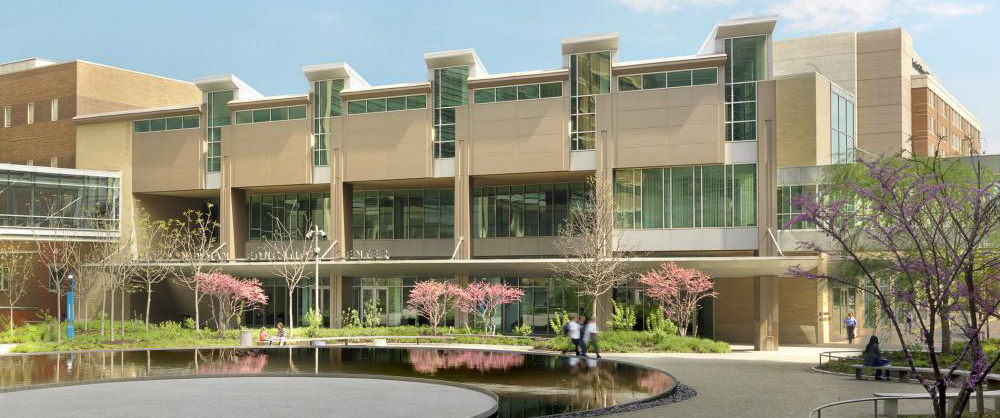
About Longer Life Foundation
The LLF is a not-for-profit organization that supports the study of scientific and public health factors predicting longevity and wellness. The LLF provides support to WashU faculty with Pilot and Feasibility grants for 1 year.
Speakers
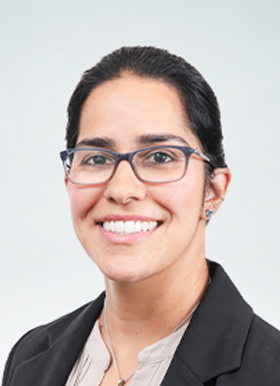
RGA Reinsurance Company
LLF Managing Director

RGA Reinsurance Company
LLF Assistant
Managing Director
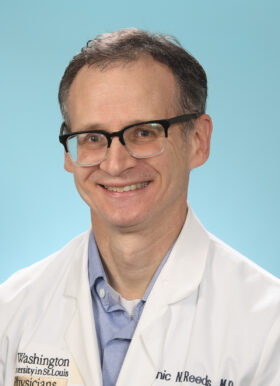
Goldfarb School of Nursing and
WashU Medicine
LLF Director, Longer Life Center

WashU Medicine
LLF Chair, Scientific Review
Committee
Drs. Dalawari, Zhang, Reeds and Evanoff will provide information and answer your questions regarding the type of funding that the LLF supports. Join us to see how you can best qualify for this opportunity. The LLF seeks to fund young investigators but can fund established investigators pursuing a new research direction.
Questions/Contact: Karen Muehlhauser (kmuehlha@wustl.edu)
Location: Eric P Newman Education Center (EPNEC), Seminar Room A 2nd Floor