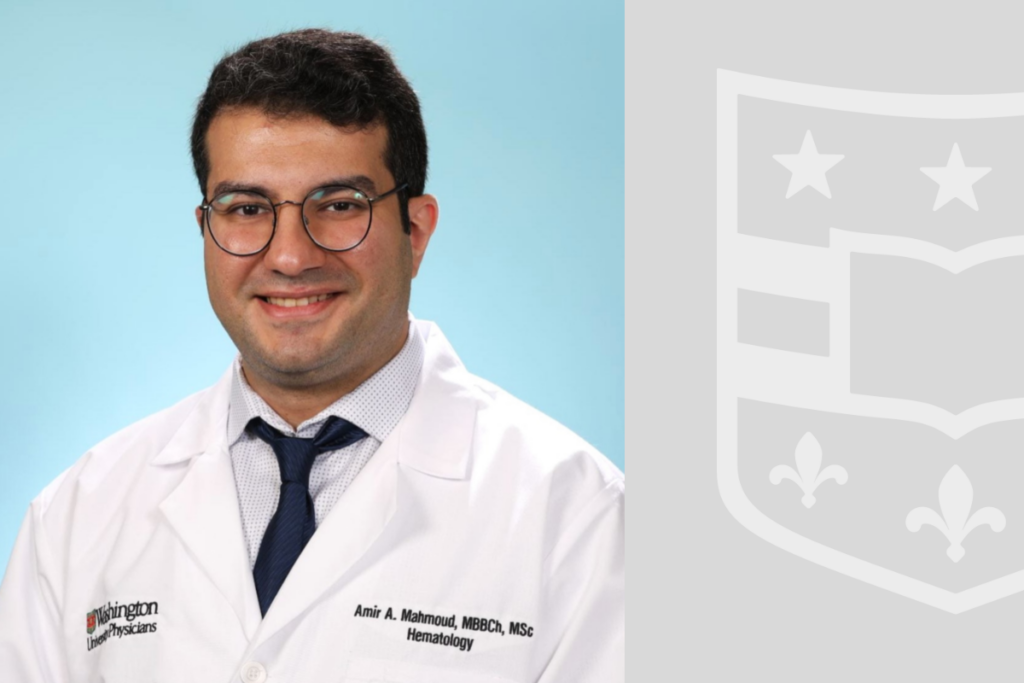
Amir Mahmoud joins the Department of Medicine in the Division of Hematology as an Assistant Professor as of July 2026.
His clinical practice and academic interest emphasize high risk thrombotic disorders, including thrombotic microangiopathies, antiphospholipid syndrome, and cancer-associated thrombosis. Leveraging his experience in managing complex hematologic conditions in high-volume tertiary-care settings, his clinical philosophy prioritizes careful individualized risk–benefit assessment (particularly when balancing thrombosis and bleeding risk), multidisciplinary collaboration, and clear communication with patients and teams. He is committed to fostering a culture of inclusive excellence through respectful, equitable patient care and collaborative mentorship through continued involvement in national professional communities like the American Society of Hematology (ASH) and the International Society on Thrombosis and Haemostasis (ISTH).
Research: A consistent theme of his academic work is identifying modifiable factors that influence morbidity and mortality in patients with high-risk hematologic and thrombotic conditions, through clinical outcomes research, clinical trials, and health services research. His scholarship often leverages large datasets and collaborative networks to address clinically meaningful questions in thrombosis including comparative outcomes, assessing bleeding risk, and determinants of care quality. Representative work includes nationwide analyses and observational studies in thrombotic microangiopathies and anticoagulation outcomes in cancer-associated thrombosis. Leveraging the strong research infrastructure at WashU, he aims to develop clinical trials to improve outcomes in rare diseases like antiphospholipid syndrome.