Bristol Myers Squibb and Washington University in St. Louis Collaboration
Expression of Interest Letter
Overview
Bristol Myers Squibb is inviting applicants to apply for a 6- to 12-month Drug Development Fellowship focused on Neurosciences with focus on neurodegeneration. This fellowship is designed to bridge the gap between clinical practice and drug development, equipping the next generation of physician-scientists with the knowledge and hands-on experience needed to accelerate the delivery of new therapies to patients with neurodegenerative diseases.
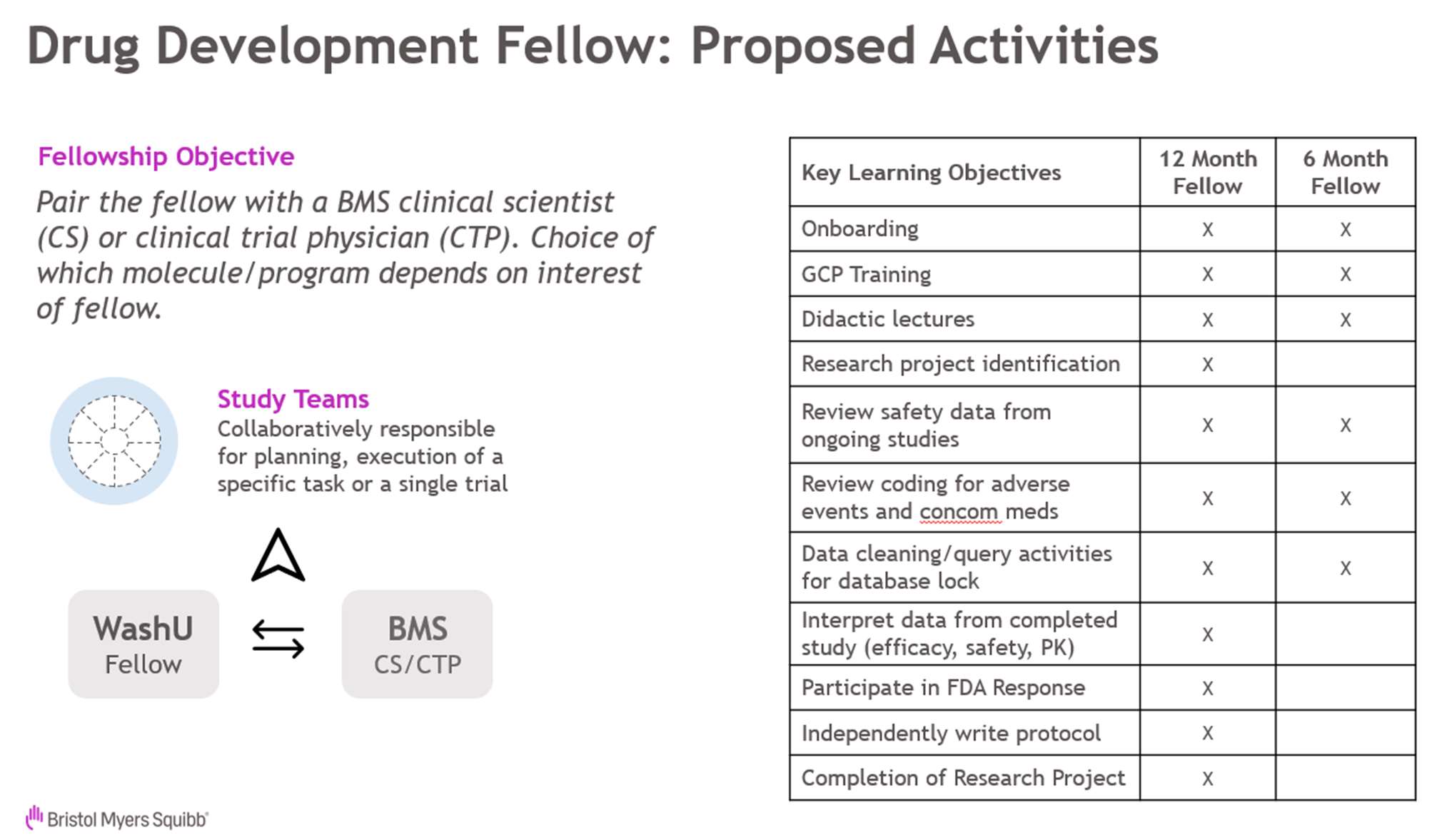
Fellows will work directly with BMS teams on clinical development programs, gaining firsthand exposure to the full scope of activities involved in getting a new medication approved.
Areas of Interest
Fellows will be embedded within BMS neuroscience drug development programs, with
exposure to:
- Neurodegeneration — including Alzheimer’s disease, Parkinson’s disease, and related dementias.
- Neuropsychiatry – Agitation, Psychosis, Schizophrenia, Bipolar Disorder and Major Depressive Disorder.
- BMS Asset Development — contributing to the advancement of BMS’s neurodegeneration pipeline from clinical development through regulatory strategy.
Fellowship Experience
This fellowship is designed to be immersive and participatory. Fellows will be active
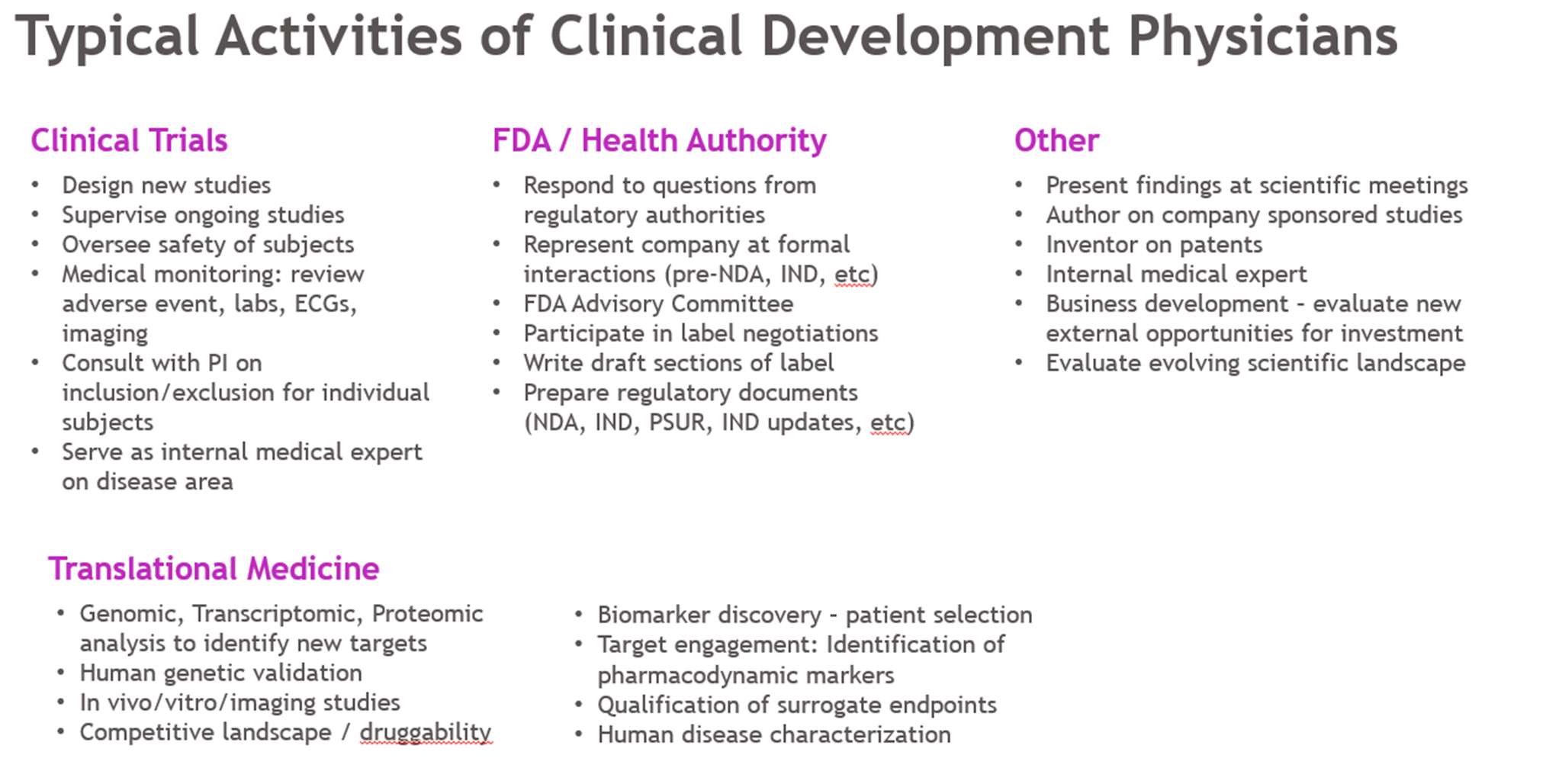
contributors — not observers — in drug development functions, which may include:
- Clinical trial design and execution.
- Patient population selection and endpoint strategy.
- Biomarker development and clinical translation.
- Regulatory strategy and interactions with health authorities (FDA, EMA, others).
- Cross-functional collaboration with Medical Affairs, Biostatistics, Scientific, and Development teams.
- Understand the fundamentals of Good Clinical Practice (GCP) guidelines which are international guidelines on the ethical and scientific standards in conducting trials involving human subjects.
Program Goals
- Equip clinicians with a deep understanding of the drug development process.
- Bring clinical perspectives and patient insights directly into BMS development programs.
- Accelerate the translation of science into meaningful therapies for patients with neurodegenerative diseases.
- Foster a new generation of physician-scientists who can operate at the interface of medicine and industry.
Ideal Candidate
- MD or MD/PhD with completed clinical training (residency or fellowship)
- Clinical background in Neurology, Psychiatry, or a related field preferred.
- Passion for neuroscience and improving outcomes for patients with neurodegenerative diseases.
- Motivated to explore a career at the intersection of clinical medicine and pharmaceutical drug development.
What We Offer
- Hands-on participation in active BMS neuroscience development programs.
- Mentorship from experienced BMS physicians and drug development scientists.
- Exposure to cross-functional drug development teams and processes.
- Networking opportunities across the broader BMS scientific and medical community.
- A foundation for a career in academic drug development, clinical research, or the pharmaceutical industry.
EXPRESSION OF INTEREST LETTER
Information requested
- Personal statement about their interest in working with BMS.
- CV.
- Deadline for round 1 – September 1st, 2026. Actual start date of the fellowship will be
determined in discussions between the candidate and BMS.
Send Expression of Interest Letter to:
Mark Van Horn (markv@wustl.edu) and Oscar Diaz Ruiz, PhD (doscar@wustl.edu)
Appendix: Drug Development Fellow – BMS overview of activities